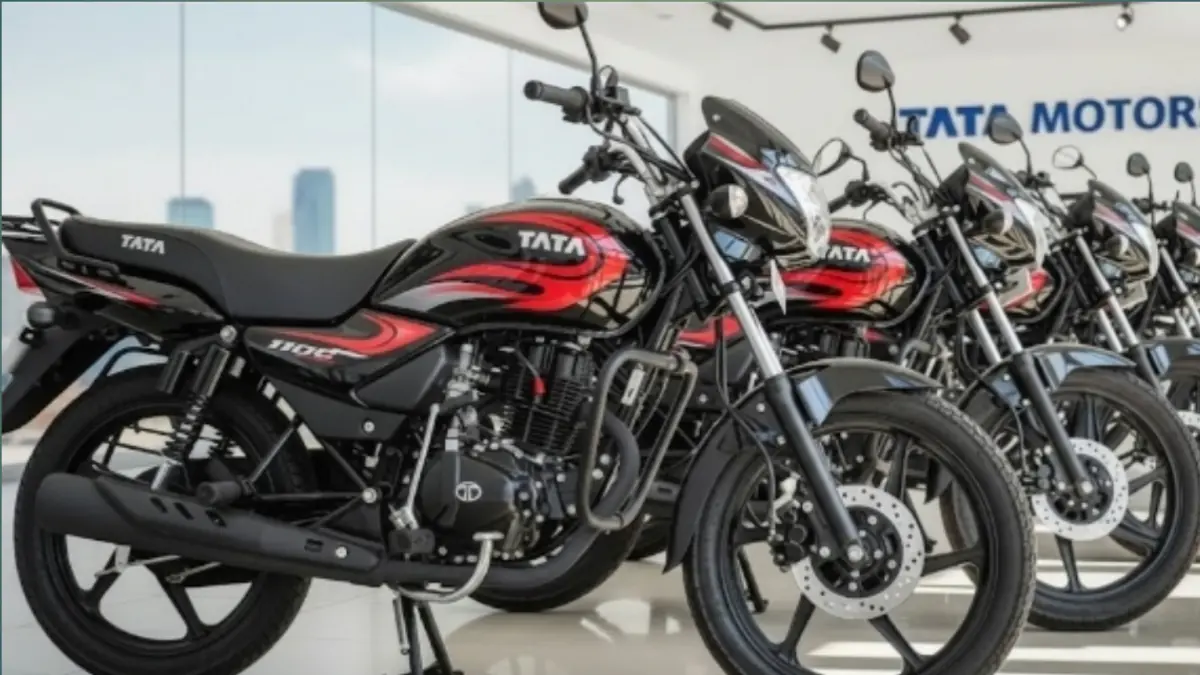
The new Tata 125 model bike has been launched, and its look is extremely premium and high-quality.
This bike is very powerful and comes with excellent mileage and advanced features.
As soon as it entered the market.
it created a huge buzz and made a strong impact.
India’s two-wheeler market is one of the largest and most competitive in the world, and within it, the 125cc motorcycle segment has emerged as one of the most important categories. Positioned perfectly between entry-level 100–110cc commuters and more powerful 150–160cc bikes, the 125cc class offers a rare balance of power, mileage, affordability, and style. Over the past few years, this segment has evolved rapidly, moving beyond basic commuter needs to include sporty design, modern features, and better performance.
In this highly competitive landscape, the news and rumors surrounding the Tata 125cc New Bike 2026 have generated massive curiosity. According to market speculation, Tata Motors is preparing to enter the motorcycle space with a stylish, fuel-efficient, and competitively priced 125cc bike that could directly challenge established players like Hero MotoCorp and Honda. While Tata has not officially confirmed all details yet, the idea of a Tata-branded motorcycle alone is enough to spark excitement among Indian riders.
Why the 125cc Segment Matters in India
The 125cc category is often considered the sweet spot of the Indian two-wheeler market. Buyers in this segment are typically young professionals, college students, daily commuters, and even small business owners who want a motorcycle that is:
- Fuel-efficient for daily use
- Powerful enough for highways and overtakes
- Stylish enough to reflect personality
- Affordable to buy and maintain
Motorcycles like the Honda Shine 125, Hero Super Splendor, TVS Raider 125, and Bajaj Pulsar 125 have proven that Indian consumers are willing to pay a little extra for better refinement, design, and features. This is exactly where a Tata 125cc bike could make a strong impact.
Tata Motors: A Trusted Name Ready for a New Challenge
Tata Motors is no stranger to disruption. Over the years, the company has transformed India’s automobile market with products like the Tata Nano, Nexon, Punch, Harrier, and electric vehicles such as the Nexon EV and Tiago EV. Tata’s strength lies in value-driven engineering, safety focus, and aggressive pricing, which has helped it gain the trust of millions of Indian families.
Although Tata currently does not have a motorcycle in its official portfolio, the company has prior experience in two-wheelers through its association with brands like TVS in the past. Industry experts believe that if Tata decides to enter the two-wheeler market independently, it would do so with long-term vision, strong R&D, and a clear focus on mass-market appeal.
The rumored Tata 125cc bike launch in 2026 fits perfectly into this strategy. Instead of starting with a premium or niche product, Tata appears to be targeting the heart of the Indian market—where volumes are high and brand trust matters the most.
Rising Demand for Sporty Commuter Bikes
Indian riders today expect more than just mileage. Modern 125cc buyers want:
- Sporty styling inspired by premium bikes
- Digital instrument clusters
- LED lighting and sharp body lines
- Comfortable riding posture for daily use
- Reliable engines with low maintenance
This shift in customer mindset has forced manufacturers to constantly upgrade their offerings. Bikes like the TVS Raider have shown that even commuter motorcycles can look aggressive and feel exciting to ride. If Tata’s upcoming 125cc bike truly combines sporty looks with strong mileage, it could attract a wide audience—especially first-time buyers and young riders.
Hero and Honda: Strong Competition Ahead
Hero MotoCorp and Honda currently dominate the 125cc segment. Hero’s wide service network and Honda’s legendary engine refinement make them extremely difficult competitors. Models like the Honda Shine 125 are known for their smooth engines and long-term reliability, while Hero bikes are praised for low maintenance and high resale value.
For Tata, entering this segment would not be easy. However, Tata’s advantage lies in fresh design thinking, aggressive pricing strategies, and growing brand loyalty, especially among younger buyers who already trust Tata cars.
If Tata manages to offer something different—be it better styling, advanced safety features, or a more premium feel at a competitive price—it could slowly carve out its own space in this crowded market.
What Makes the Tata 125cc Bike So Interesting?
The excitement around the Tata 125cc bike is not just about specifications. It is about possibility. A new brand entering a mature segment often brings innovation, better value, and fresh competition. Rumors suggest that Tata could focus on:
- High mileage for daily commuters
- Sporty and modern design language
- Strong build quality
- Competitive pricing to attract mass buyers
If these expectations are met, the Tata 125cc bike could become a game-changer, forcing established brands to rethink their strategies.
Setting the Stage for What’s Next
As we move deeper into this article series, we will explore every aspect of the rumored Tata 125cc New Bike 2026—from expected engine performance and mileage to design philosophy, pricing strategy, and direct comparison with Hero and Honda motorcycles.
This introduction sets the foundation for understanding why Tata’s potential entry into the 125cc segment matters so much and how it could reshape the future of commuter motorcycles in India.
Brand Legacy and Strategy Behind Entering the Motorcycle Market
Tata Motors is one of India’s most respected and diversified automobile manufacturers. From commercial trucks to premium SUVs and electric vehicles, Tata has built a reputation for strong engineering, value-for-money products, and customer trust.
Tata Electric Bike 2025: Powerful Performance, 440 Km Range & Smart Electric Features
While the company is widely known for its success in the four-wheeler market, the idea of Tata entering the two-wheeler space—especially with a 125cc motorcycle in 2026—has become one of the most talked-about topics in the Indian auto industry.
To understand why Tata’s rumored motorcycle launch is so significant, it is important to look at Tata Motors’ history, its evolution as a brand, and the strategic thinking that could drive such a move.
Tata Motors: From Commercial Giants to Mass-Market Innovators
Founded in 1945, Tata Motors began its journey in commercial vehicles and gradually expanded into passenger cars. Over the decades, the company has played a key role in shaping India’s mobility landscape. Vehicles like the Tata Indica brought diesel cars to the masses, while the Tata Nano challenged conventional ideas of affordability.
In recent years, Tata Motors has completely transformed its image. Models such as the Nexon, Punch, Altroz, Harrier, and Safari have proven that Tata can deliver modern design, strong safety ratings, and competitive performance. This turnaround has significantly strengthened Tata’s brand perception, especially among young Indian buyers.
This renewed confidence is one of the main reasons why analysts believe Tata could successfully enter the two-wheeler market.
Has Tata Been in Two-Wheelers Before?
While Tata Motors has never sold motorcycles under its own brand, it is not entirely new to the two-wheeler ecosystem. In the past, Tata had partnerships and joint ventures, most notably with TVS Motor Company. This collaboration gave Tata exposure to two-wheeler manufacturing, supplier networks, and consumer behavior in the bike and scooter segment.
Although Tata eventually exited those partnerships, the experience gained during that phase is considered extremely valuable. It means Tata would not be starting from zero if it launches a motorcycle in 2026.
Why Enter the 125cc Motorcycle Segment First?
If Tata Motors decides to debut in the motorcycle market, choosing the 125cc segment is a smart and strategic move. This category offers:
- High sales volume
- Stable demand across urban and rural markets
- Loyal customer base
- Lower development risk compared to premium bikes
The 125cc segment is also less price-sensitive than 100cc bikes, allowing manufacturers to add better design, technology, and features while still keeping costs under control.
For Tata, a 125cc commuter bike would allow the brand to:
- Test the market response
- Build trust in two-wheelers
- Expand service and dealership reach
- Gradually introduce higher-capacity bikes in the future
Tata’s Core Strengths That Could Benefit a Motorcycle Launch
Tata Motors has several strengths that could work strongly in favor of a Tata 125cc bike:
1. Strong Engineering and R&D
Tata has world-class design and engineering centers in India and abroad. Its focus on durability, safety, and real-world usability could translate well into motorcycle development.
2. Cost Optimization Expertise
Tata is known for offering feature-rich products at competitive prices. This skill would be crucial in a price-sensitive segment like 125cc motorcycles.
3. Brand Trust and Loyalty
Millions of Indian families already trust Tata cars. This trust could easily extend to motorcycles, especially among first-time buyers.
4. Expanding Dealership Network
Tata’s rapidly growing dealership and service network could support motorcycle sales and after-sales service, reducing one of the biggest barriers for new entrants.
Learning from the Electric Vehicle Strategy
Tata Motors’ success in the electric vehicle (EV) space offers important clues about how the company might approach motorcycles. When Tata launched EVs, many doubted their acceptance. However, through aggressive pricing, strong localization, and practical range, Tata quickly became the market leader in India’s EV segment.
A similar approach could be applied to the Tata 125cc bike—focus on practical performance, reliability, and affordability, rather than chasing extreme specifications.
Market Timing: Why 2026 Makes Sense
By 2026, the Indian two-wheeler market is expected to be more mature, with customers demanding better technology, cleaner engines, and modern design. Emission norms, rising fuel prices, and urban congestion are pushing buyers toward fuel-efficient yet capable motorcycles.
This timing could work in Tata’s favor, as the company could launch a bike that is:
- BS6 Phase-2 compliant
- Optimized for mileage and emissions
- Designed for modern urban riders
Challenges Tata Motors May Face
Despite its strengths, Tata’s entry into the motorcycle market would not be without challenges:
- Strong competition from Hero, Honda, TVS, and Bajaj
- Need for specialized two-wheeler service training
- Building confidence among traditional bike buyers
- Managing costs while offering attractive features
However, Tata’s past success in overcoming tough competition suggests that these challenges are manageable with the right strategy.
A Calculated Move with Long-Term Vision
The rumored Tata 125cc New Bike 2026 appears to be more than just a product launch—it represents a strategic expansion. If executed well, it could open the doors for Tata Motors to become a serious player in India’s two-wheeler market.
In the next part of this article series, we will take a closer look at the expected design, engine specifications, and features of the Tata 125cc bike, based on market trends and industry expectations.